


You walk into the conference room two minutes before a call. The display does not respond. The HDMI cable is wrong for your laptop. Someone tries to share their screen, but the room requires an app download first. Five minutes pass, and half the remote participants have already opened Slack.
This is not bad luck. It is the default experience for teams navigating hybrid meetings every day.
Hybrid work is not a temporary arrangement. It is how work gets done. The technology in the room is supposed to solve that problem. Too often, it is the source of it. Here are five reasons hybrid meetings keep falling short, and what a better approach looks like.
- The first five minutes are a setup tax on cables, dongles and downloads.
- Vendor-locked rooms break the moment a guest joins on another platform.
- Remote participants get a thumbnail and a muted mic — that isn't hybrid.
- Most real collaboration happens outside the formal conference room.
- The best room technology requires zero thought from the user.
01The First Five Minutes Are a Setup Tax
- HDMI cables that only connect one device at a time
- USB dongles that do not work with every laptop
- App downloads required just to share a screen
- Network access restrictions that block guest devices entirely
Think of where we’re at with our attention spans on our phones. The longer it takes to get up and running, the sooner people are on their phones, checking email, and responding to Slack threads. You’ve lost your audience before you even presented your first slide.
That setup window is not just annoying. It is expensive. When teams burn the opening minutes of a meeting on cables, permissions, and downloads, they lose the focus that makes meetings worth having.
The most common culprits include:
02Vendor-Locked Rooms Narrow Your Options
Single-platform meeting rooms make sense on paper. But when your team uses multiple conferencing tools, or when guests and clients join from a different one, the room experience breaks down fast.
Yes, Teams and Zoom rooms have unlocking capabilities, but they’re limited at the expense of the user. Inconsistent experiences across the systems lead to unnecessary friction.
If your room is built for Teams and a client joins via Google Meet, one side of that call will have a worse experience. Platform lock-in turns a meeting room into a single-vendor tool rather than a space where any team can connect and share content.
This results in organizations paying for proprietary rooms while users still reach for the HDMI cable.
03Remote Participants Are Not Getting the Same Experience
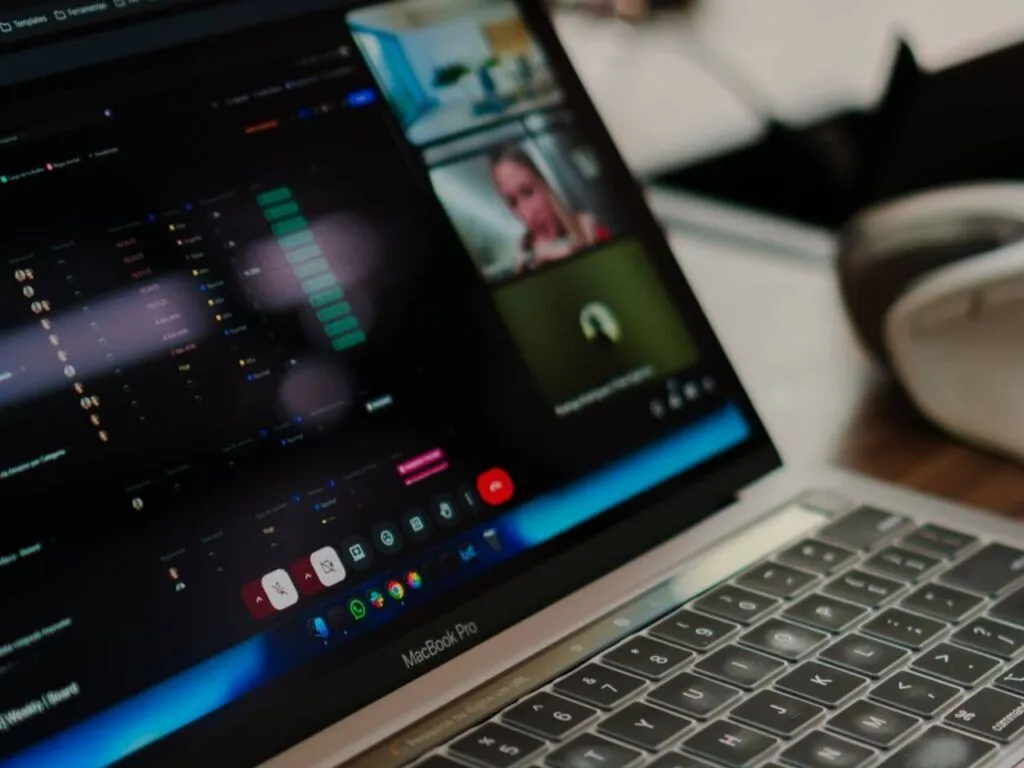
Here is a pattern that shows up in nearly every honest conversation about hybrid meetings. The people in the room have everything: eye contact with the camera, clear access to shared content, and the ability to walk up to a whiteboard. The people calling in have a thumbnail view and a muted mic.
Most room systems really only benefit the people who came to the office. So much is dedicated to the in-room experience that it can alienate remote users who are sitting at home, not engaging, not collaborating, and their interest wanes.
When remote participants cannot see shared content clearly, contribute in real time, or feel like active members of the conversation, their input disappears. Decisions get made without their perspective. The quality of the work suffers.
A meeting where only half the room feels present is not a hybrid meeting. It is an in-person meeting with an audience.

04Real Collaboration Happens Outside the Conference Room
Most meeting room solutions are designed for conference rooms. But a lot of actual work happens somewhere else.
Impromptu sessions in a lounge. Side-by-side reviews at a standing desk. Informal standups in an open area with no AV cart in sight.
Real collaboration outside the formal conference room is where we actually get work done. Co-editing documents in real time, looking at items side by side on a shared canvas, brainstorming on digital whiteboards. That is the type of effortless sharing users thrive on. No friction and no boundaries.
When technology only works in the room it was designed for, it stops being a collaboration tool. It becomes a scheduling dependency. Teams need wireless collaboration that follows the work, not the floor plan.

05Room Technology Should Require Zero Thought from the User
The best meeting room technology is the kind nobody notices. You walk in, the call is ready, the content is up, and everyone can see and hear each other. No troubleshooting required.
Users need to immediately not have to think. HDMI switchers, USB dongles, admin downloads, and networking access are huge hurdles for the average user, and sometimes the meeting stops before it ever started.
When a room builds mistrust, people stop using it. They find workarounds. They book a different space or default to back-to-back video calls from their desks because at least those work reliably.
The goal is not a room that works sometimes. It is a room that users trust every time.
What Better Hybrid Meetings Look Like
A meeting space that removes friction does not require compromise. Platform-agnostic design means the room works whether the call is on Teams, Zoom, Google Meet, or something else entirely. Wireless screen sharing means no cables, no downloads, and no barriers for guests.
Walking in and having a one-touch solution to join a call, see it up on the screen, and pull in pre-loaded content is the holy grail.
That experience is not reserved for the main conference room. It should work where your team does its best thinking. It gives remote participants the same view of shared content that in-room users have. It removes the friction that costs teams time, focus, and confidence in the technology they depend on.
The fix is not more complexity. It is technology that works the way teams already want to work, together.
A meeting where only half the room feels present is not a hybrid meeting. It is an in-person meeting with an audience.